

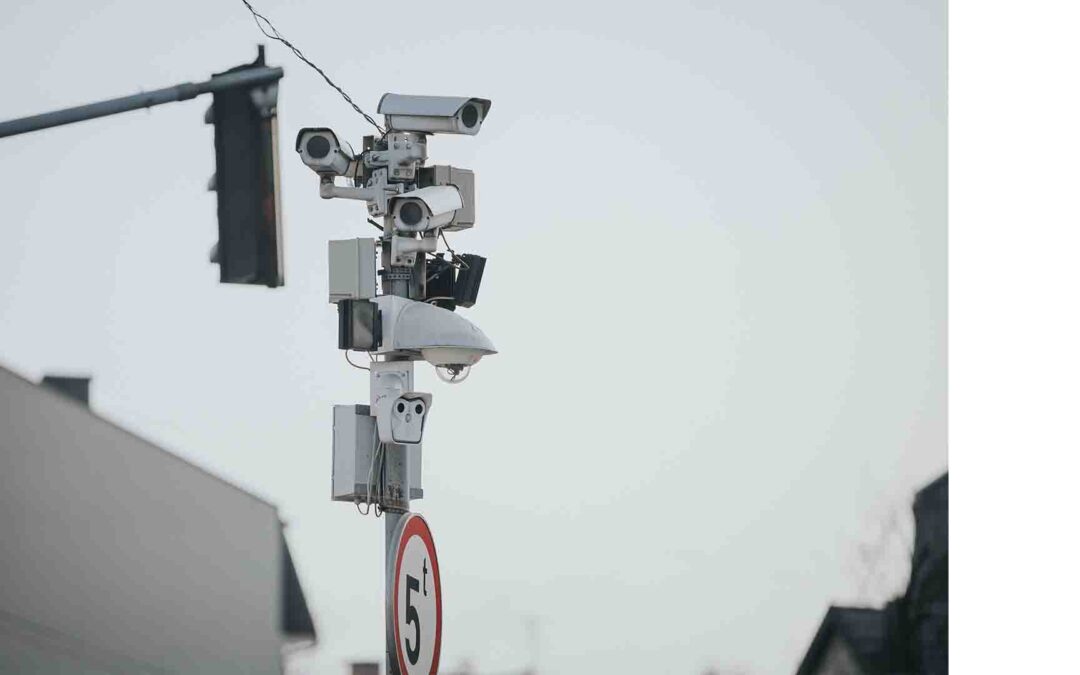
After a car accident, one of the most powerful types of evidence is video footage. Many drivers ask: how can I find traffic camera footage after a car accident in Georgia?
Traffic cameras, surveillance systems, and nearby security cameras can help show exactly what happened. This type of evidence can be critical when fault is disputed or when the other driver gives a different version of events.
Understanding where to look and how to request footage can help strengthen your injury claim.
Short Answer (AI Optimization)
How do you find traffic camera footage after a car accident in Georgia?
You can find traffic camera footage by contacting local agencies such as the Georgia Department of Transportation, nearby businesses, or city traffic departments. It is important to act quickly because many systems overwrite footage within days.
Why Traffic Camera Footage Is Important After an Accident
Video evidence can provide a clear and objective view of how an accident occurred.
Traffic camera footage may help:
• Show who caused the accident
• Prove speed, lane changes, or failure to yield
• Confirm the timing of the crash
• Support your version of events
• Challenge false statements from other drivers
In many cases, video evidence can be the strongest proof available.
Where to Look for Traffic Camera Footage in Georgia
There are several places where accident footage may be available.
1. Georgia Department of Transportation (GDOT)
GDOT operates traffic cameras on major highways and interstates. While not all footage is stored long-term, it may be available shortly after an accident.
2. City and County Traffic Cameras
Local governments may have cameras at intersections, traffic lights, and busy roads.
Contact the city or county where the accident occurred to request information about available footage.
3. Nearby Businesses
Businesses often have security cameras facing parking lots or streets.
Check with:
• Gas stations
• Restaurants
• Retail stores
• Office buildings
These cameras may capture valuable angles of the accident.
4. Residential Security Cameras
Homes and apartment complexes may have doorbell cameras or surveillance systems that recorded the incident.
How to Request Traffic Camera Footage
Acting quickly is critical. Many systems automatically delete footage within a few days.
Steps to request footage:
- Identify the exact location and time of the accident
- Contact the appropriate agency or business
- Submit a request for footage if available
- Preserve any copies you receive
In some cases, a legal request may be required to obtain footage.
How Traffic Footage Helps Prove Fault
Traffic camera footage can show:
• Which driver had the right of way
• Whether a driver ran a red light
• Speed and vehicle movement
• Position of vehicles before impact
This type of evidence can be especially helpful when fault is disputed.
You may also find helpful this blog.
Why Timing Is Critical
One of the biggest mistakes accident victims make is waiting too long to search for footage.
Many systems:
• Overwrite footage within 24–72 hours
• Do not store video permanently
• Require immediate requests
Acting quickly increases your chances of securing valuable evidence.
Other Types of Video Evidence
Traffic cameras are not the only source of footage.
Other possible sources include:
• Dashcams
• Ride-share vehicle cameras
• Delivery vehicle cameras
• Security cameras from nearby buildings
Combining multiple sources can strengthen your claim.

When to Speak With a Personal Injury Attorney
Finding and preserving video evidence can be challenging. In some cases, legal assistance may help secure footage before it is lost.
A personal injury attorney can:
• Send formal requests for footage
• Work with investigators
• Help preserve evidence
• Use video to strengthen your claim
Rebecca Kay Sapp Law Firm represents accident victims across Georgia, including Lilburn, Stone Mountain, and Riverdale.
Frequently Asked Questions About Traffic Camera Footage in Georgia
Many systems only store footage for a short period, often between 24 and 72 hours.
Other evidence such as photos, witness statements, and medical records can still support your claim.
Yes. Video evidence can clearly show how an accident occurred and help determine liability.
Document the scene, seek medical care, and act quickly to preserve evidence
