

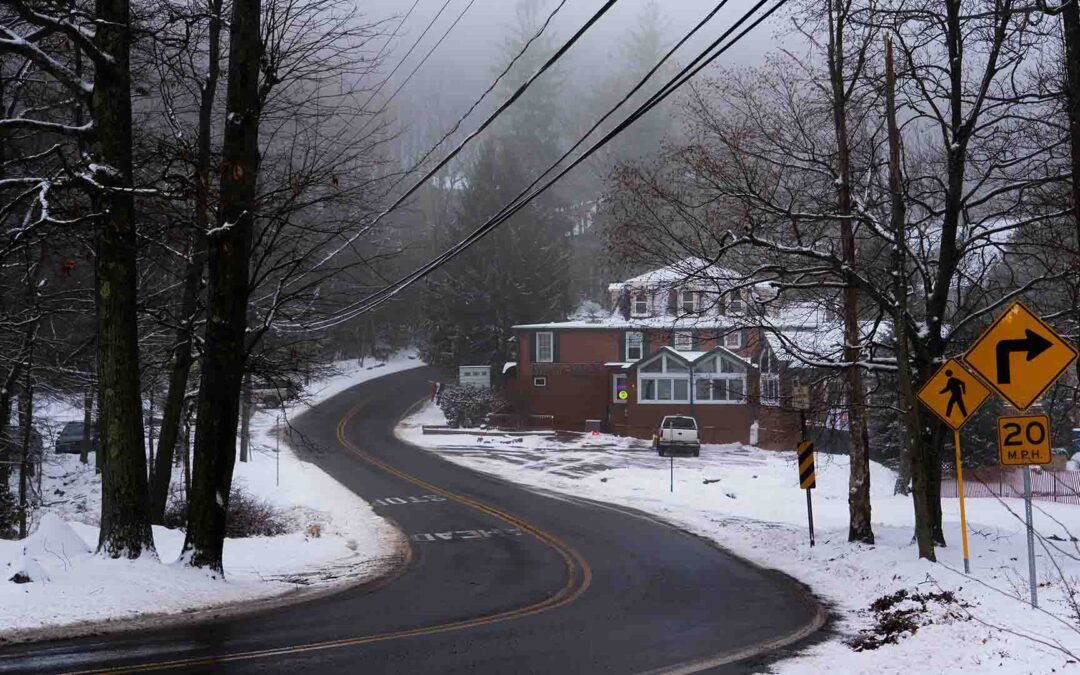
Winter storms create serious driving risks across Atlanta, even when snow or ice appears minimal. Because Atlanta drivers and road systems are not built for winter conditions, Atlanta winter storm car accidents often increase quickly when temperatures drop.
Understanding why these accidents happen — and where they are most likely to occur — can help drivers stay alert and protect themselves during winter weather.
Why Winter Storms Create Unique Risks in Atlanta
Unlike northern cities, Atlanta rarely experiences snow or ice. As a result, many drivers lack experience navigating slick roads, and the region has limited winter road treatment.
During winter storms:
- Roads freeze quickly, especially overnight
- Black ice forms without visible warning
- Traffic slows suddenly, increasing rear-end crashes
- Bridges and overpasses freeze before surface roads
Because of these conditions, even light winter weather can cause a spike in Atlanta winter storm car accidents.
For statewide safety updates, visit the Georgia Governor’s Office of Highway Safety
Atlanta Roads That Become Especially Dangerous During Winter Storms
Certain Atlanta roadways become far more hazardous during snow or icy conditions due to traffic volume, road design, and elevation changes.
Some of the most dangerous areas include:
- I-285 – Heavy congestion, sharp curves, and elevated ramps increase crash risk
- I-75 / I-85 Downtown Connector – Sudden braking and dense traffic create chain-reaction accidents
- I-20 – Bridges freeze faster than nearby roads
- GA-400 – Higher speeds combined with overpasses increase loss-of-control crashes
- Peachtree Road corridors – Hills and intersections become slick during freezing conditions
Even experienced drivers can lose control on these roads during winter storms.
Winter Weather Does Not Excuse Unsafe Driving
Many drivers assume winter weather automatically excuses accidents. However, Georgia law still requires drivers to adjust speed and behavior based on road conditions.
During winter storms:
- Driving too fast for conditions may establish fault
- Rear-end crashes often place responsibility on the following driver
- Failure to slow down can be considered negligence
Insurance companies frequently review winter storm accidents closely, especially when injuries are involved.
To learn more about how fault works after a crash, see: Understanding Georgia Car Accident Claims
Common Injuries in Atlanta Winter Storm Car Accidents
Cold weather accidents often result in injuries that are not immediately obvious. Adrenaline and cold temperatures can delay pain symptoms.
Common injuries include:
- Whiplash and neck injuries
- Back and spinal injuries
- Concussions and head trauma
- Broken bones from high-impact collisions
Seeking medical care after a winter accident is important, even if symptoms seem mild at first.
What to Do After a Winter Storm Accident in Atlanta
If you are involved in an Atlanta winter storm car accident, taking the right steps early can help protect both your health and your claim.
Drivers should:
- Call law enforcement and request a report
- Document road and weather conditions
- Seek medical attention promptly
- Avoid giving detailed insurance statements too quickly
You may also find this helpful: What to Do After a Car Accident in Georgia
Why Education Matters During Winter Storms
Winter storms create uncertainty on Atlanta roads. Knowing which areas are most dangerous — and how accidents are evaluated — helps drivers make informed decisions.
Education becomes especially important when winter weather leads to serious injuries or complicated insurance claims.
A Note on Legal Guidance After Winter Storm Accidents
Winter storm accidents can involve serious injuries, insurance disputes, and questions about fault. Understanding your rights early can make a difference after a crash.
At Rebecca Kay Sapp Law Firm, we help individuals injured in car accidents across Atlanta, Lilburn, Stone Mountain, Riverdale, and throughout Georgia understand their options after winter weather crashes.
Questions & Answers About Atlanta Winter Storm Car Accidents
Atlanta drivers are not accustomed to snow or ice, and roads are not heavily treated during winter storms. These factors increase the risk of skidding, rear-end collisions, and loss-of-control accidents.
I-285, the I-75/I-85 Downtown Connector, I-20 bridges, GA-400, and major surface roads like Peachtree Road often become more dangerous due to traffic, elevation, and freezing conditions.
No. Georgia law expects drivers to adjust to road and weather conditions. Failing to slow down or drive safely during winter weather may still result in fault.
Whiplash, back injuries, concussions, and fractures are common. Cold weather can delay pain symptoms, making medical evaluation especially important after a crash.
Call the police, document weather conditions, seek medical care, and be cautious with insurance statements. Early action can help protect your health and your claim. Also, contact us to receive the compensation that you deserve.
